 Daniel CarterVIEW PROFILE →
Britain's 2026 Money Divide: Savers Finally Beat Inflation as Five Million Homeowners Brace for a Squeeze
For the first time since 2022, cautious savers are earning more than inflation, and 5 percent accounts are back on the shelves. Yet the Bank of England now warns that more than five million households will pay more on their mortgages by 2028. Here is what the split means for your money, and what to
For the first time in years, Britain's savers and Britain's borrowers are living in two different economies. Cautious savers who kept their nerve are finally earning more than inflation quietly takes away, with headline rates of 5 percent back on the shelves. At the same time, the Bank of England has warned that more than five million households will be paying more on their mortgages by the end of the decade. The same base rate is pulling the country in two directions at once.
A rare win for savers
After a long stretch where money in the bank steadily lost value, the maths has flipped. With the Bank of England's base rate sitting at 3.75 percent following its December cut, the best easy-access savings accounts are paying around 4.34 percent, and the eye-catching 5 percent account has made a comeback. Cahoot's Sunny Saver, for example, is offering a full 5 percent, although only on balances up to 3,000 pounds, a reminder that the headline number rarely tells the whole story.
Cash ISAs are where the competition is fiercest as the tax-year rush continues. The best easy-access ISA is paying about 4.61 percent, while fixed deals stretch to 4.85 percent, with one-year, two-year and three-year fixes clustered between 4.69 and 4.78 percent. With inflation hovering close to 3 percent, that means a saver who shops around is now earning a real return, staying ahead of rising prices rather than falling behind them for the first time since 2022.
A saver who shops around is now earning a real return for the first time since 2022. A borrower whose fix is ending may be about to lose one.
The catch is that these rates are not sitting on the high street. Many of the leading deals come from smaller banks and app-based providers, and the top numbers often carry conditions, such as short-lived bonus periods or caps on how much you can hold. Money left in an old current account or a legacy savings account paying 1 or 2 percent is quietly being left behind, and the gap between the best and the worst has rarely been wider.
There is a tax angle too that is easy to miss. As savings rates climb, more people are earning enough interest to bump into the Personal Savings Allowance, which lets a basic-rate taxpayer earn 1,000 pounds of interest a year tax free and a higher-rate taxpayer just 500 pounds. Breach it in an ordinary account and the taxman takes a slice, which is exactly why an ISA, where the interest is always tax free, is worth more now than it was when rates were on the floor.
The other side of the ledger
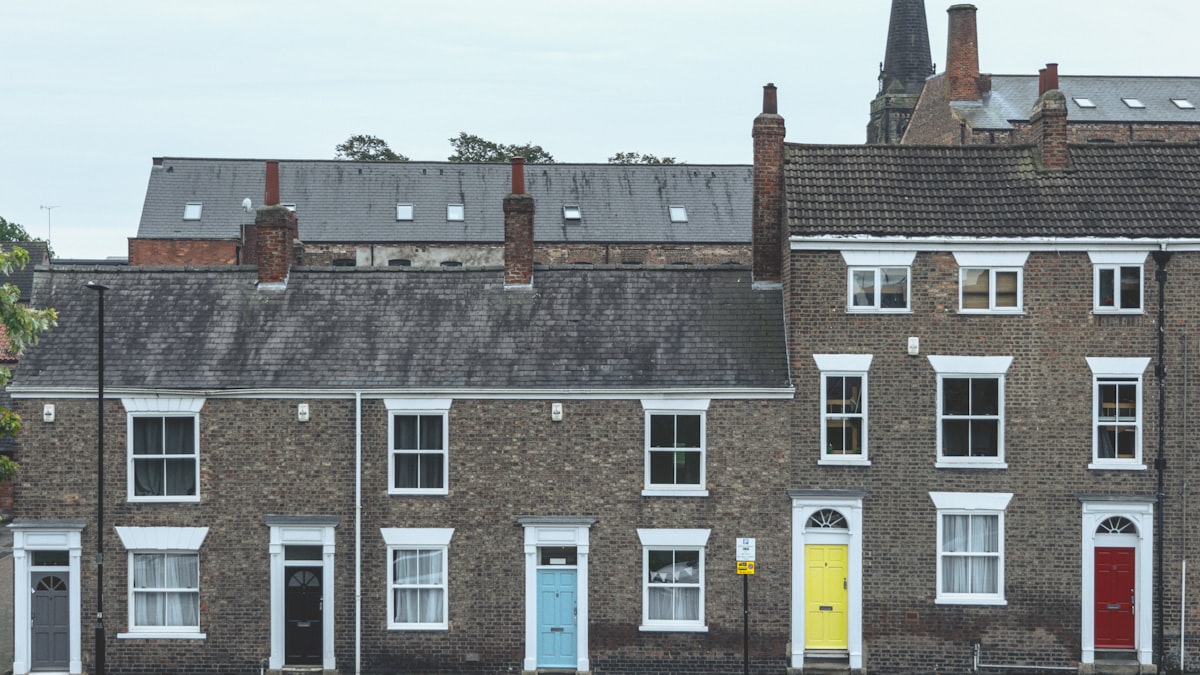
For homeowners, the picture is the mirror image. In its latest Financial Stability Report, the Bank of England warned that more than five million households, around 5.2 million borrowers, are now expected to face higher mortgage repayments by the end of 2028. That figure is roughly one million higher than the Bank projected only a few months earlier, a sharp revision that says a great deal about how quickly the outlook has shifted.
The Bank pinned much of the change on financial markets reacting to the conflict involving Iran, which pushed up expectations for where interest rates will settle and, with them, the cost of new fixed-rate deals. Average fixes had been drifting down from the highs of 2023 and 2024, with typical rates around 4.3 percent this summer, but they have edged upward again as that global uncertainty fed through into the mortgage market.
It is not all alarming, though, and context matters. The Bank was careful to say that the coming increases should be far less severe than the brutal jumps households endured after 2022. More than two million borrowers whose two-year fixed deals expire by 2028 are expected to remortgage onto rates broadly similar to what they already pay, meaning their monthly bills stay roughly flat rather than leaping higher.
What the divide means for your money
If you are a saver, the message is simple: do not leave your money loitering. Use your ISA allowance before the year runs out, consider locking part of your balance into a fixed rate while deals above 4.7 percent are still available, and keep an easy-access pot for emergencies at the best rate you can find. Even a one percentage point improvement on a 20,000 pound balance is 200 pounds a year for a few minutes of effort.
If you have a mortgage, the smart move is to plan long before your current deal ends. Find out exactly when your fix expires, and start comparing remortgage options up to six months ahead so you can lock in a rate rather than slipping onto an expensive standard variable rate by accident. If your budget allows, small regular overpayments now can shrink the balance that will be repriced later, and building a modest cash buffer gives you room to absorb a higher payment if it arrives.
All of this is playing out against a fragile wider economy. UK growth has been barely there, with output estimated at just 0.1 percent in May after a small fall in April, and household spending accounts for around 60 percent of the entire economy. Families are still squeezed by higher energy costs and borrowing rates, and many are saving less and borrowing more simply to hold their standard of living steady, which leaves little slack when bills rise.
Strip away the noise and 2026 is really a story about timing. Savers who act now are being rewarded for their patience, while borrowers who prepare early can soften a squeeze that, for millions, is still a couple of years away. The base rate may be the same for everyone, but the households that come out ahead will be the ones who treat their savings and their mortgage as decisions to make today, not problems to face later.