 Daniel CarterVIEW PROFILE →
Energy bills set to climb again this winter: what the October price cap means for your budget
Ofgem is setting the energy price cap for October to December, and forecasters expect a typical annual bill to rise by around four percent. Here is what the change means in plain English and the practical steps that can soften the blow before winter.
Every household in the country is about to feel the same nudge on the same day, because Ofgem is confirming the energy price cap for the three months from October to December, and the early forecasts suggest that most people will see their bills creep up again just as the cold weather arrives.
I want to walk through this in plain English, without the jargon, because the price cap is one of those things that gets talked about constantly but rarely explained clearly, and understanding how it actually works is the first step to making sensible decisions about your own money this winter.
How the cap really works
The first thing worth clearing up is that the price cap does not limit your total bill, which is the most common misunderstanding I come across, because what it really caps is the maximum unit rate for gas and electricity plus the daily standing charge, so if you use more energy you will still pay more overall.
Ofgem sets this cap every three months for households on standard variable tariffs in England, Scotland and Wales, and the figure you see quoted in the headlines is built around a so called typical household, which is simply an average level of usage rather than a promise about what you personally will pay.
Because the cap moves with wholesale energy costs, it rises and falls with events far beyond your control, and analysts have pointed to continued uncertainty linked to conflict in the Middle East as one reason wholesale prices have been pushed higher in the run up to this latest decision.
What the numbers actually say
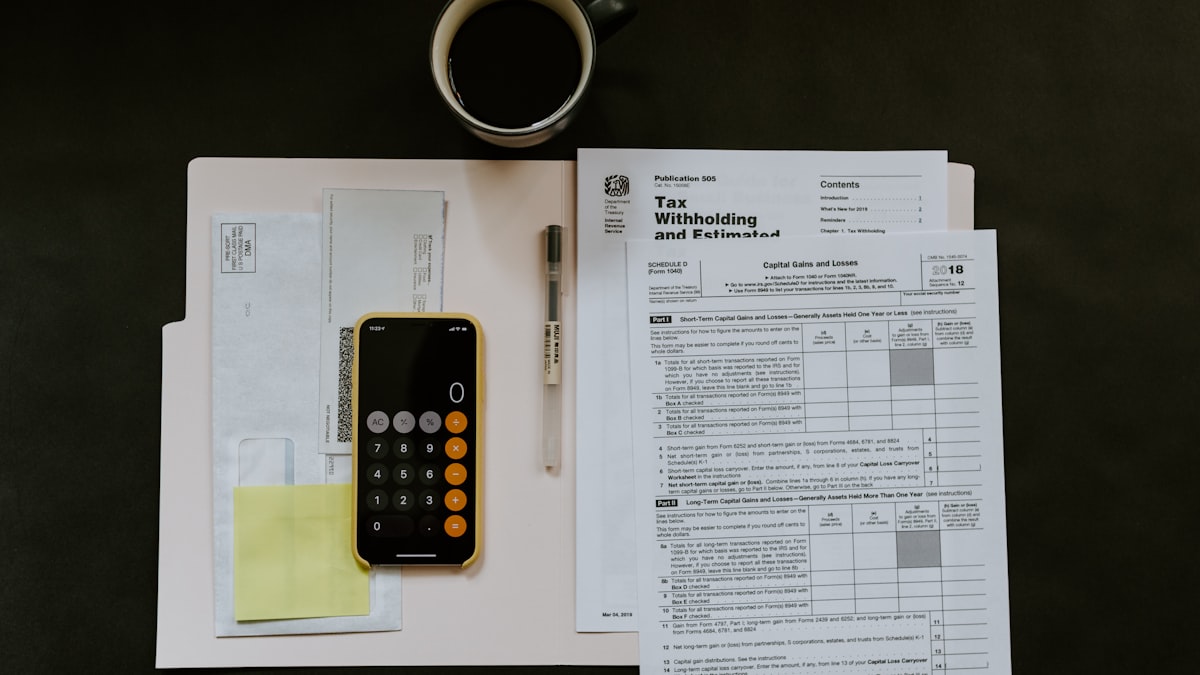
Turning to the forecasts, analysts at Cornwall Insight predicted that a typical annual bill would rise to around one thousand seven hundred and twenty nine pounds, up from one thousand six hundred and sixty three, which works out at roughly a four percent increase for the average home over the period.
Measured on Ofgem's older definition the same forecast points to about one thousand nine hundred and forty one pounds a year, up from one thousand eight hundred and sixty two, a level that would mark the highest average bill since the summer of two thousand twenty three and a reminder that energy costs remain stubbornly elevated.
There is a small piece of good news buried in the detail, because the increase is expected to be gentler than it might otherwise have been thanks to a proposed removal of value added tax from household electricity bills, which takes a little of the sting out of the rise for everyone.
Practical steps before winter
So what can you actually do about it, and the honest answer is that you cannot change the cap itself, but you can control the two things that decide your final bill, which are how much energy you use and whether a fixed deal now beats sitting on the variable rate that tracks the cap up and down.
It is also worth remembering that the wider picture is still tight, with inflation having risen to two point nine percent in July and the average five year fixed mortgage sitting at around five and a half percent, so trimming an avoidable cost like wasted heat is one of the few levers that is genuinely in your hands.
My practical takeaway is simple, which is to check your latest usage, compare a fixed tariff against the new capped rate before you commit, and tackle the cheap efficiency wins like draught proofing early, because the months between now and Christmas are exactly when small, boring habits quietly protect your budget the most.