 Daniel CarterVIEW PROFILE →
The Cost of Borrowing Bites: Why UK Government Bond Yields Just Hit a 1998 High
It sounds like a technical footnote, but soaring gilt yields are one of the most important numbers in British finance right now , and they reach all the way to your mortgage.
Some of the most consequential numbers in finance never make it onto the front pages, because they sound impossibly dry. The yield on a thirty-year government bond is exactly such a figure. Yet this obscure statistic has just surged to levels not seen in decades, and its ripple effects reach right into the finances of ordinary households.
A yield not seen this century
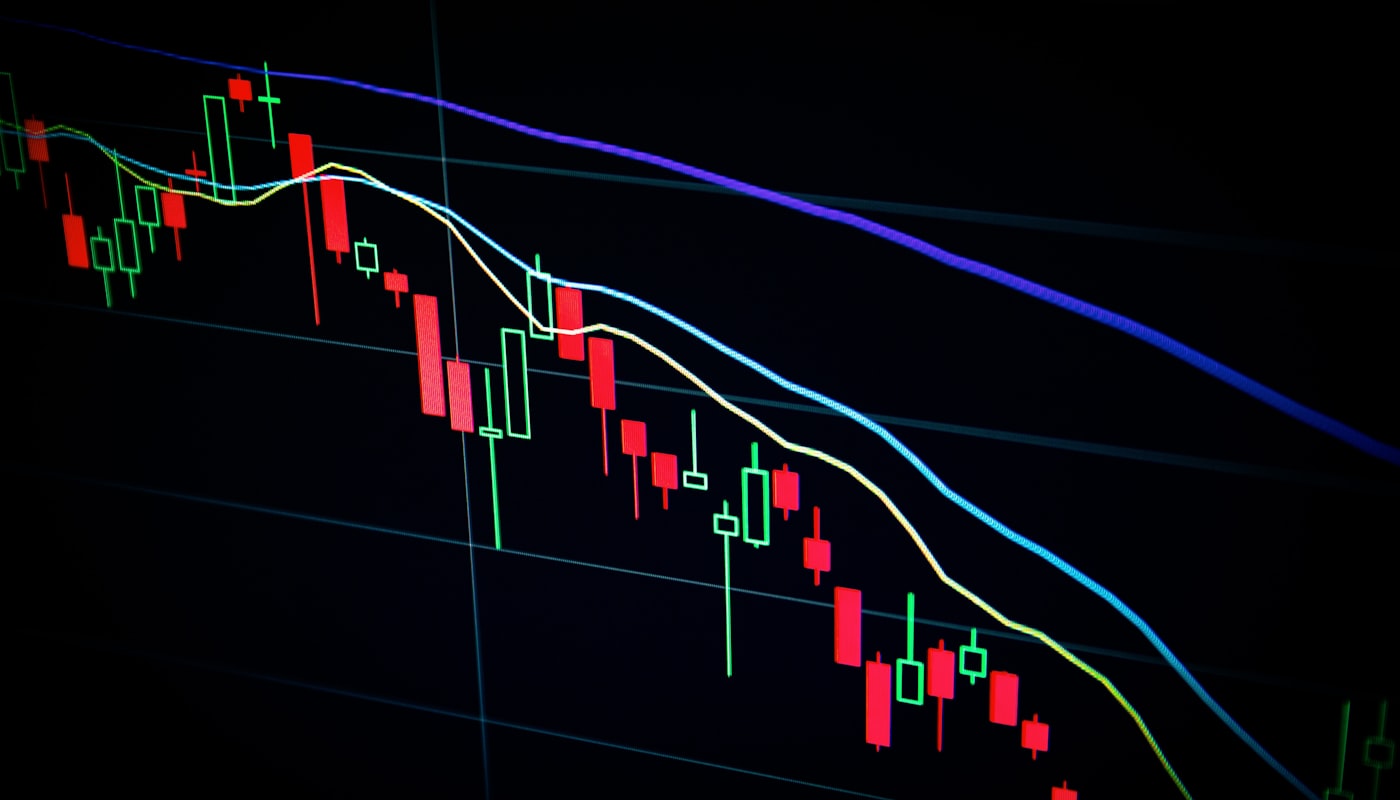
The headline event is a sharp jump in the return demanded by investors to lend money to the British government over long periods. The yield on thirty-year government bonds, known as gilts, has climbed to around its highest level since the late 1990s, a striking milestone that has unsettled markets and policymakers alike.
The picture is similar across other maturities. The closely watched ten-year gilt yield has also risen sharply, reaching levels last seen during the global financial turmoil of nearly two decades ago. When borrowing costs rise across the board like this, it signals something significant is shifting beneath the surface of the economy.
To understand why this matters, it helps to remember what a bond yield really represents. When a government wants to spend more than it collects in taxes, it borrows by selling bonds, and the yield is essentially the interest rate it must pay. A higher yield means the state's borrowing has become considerably more expensive.
The political premium
Part of the rise reflects a broad, global trend, as investors around the world have been selling long-dated government bonds and pushing up yields in many countries at once. Britain is not alone in feeling this pressure, and some of the move is simply the tide rising everywhere.
But analysts point to an additional, specifically British element that they describe as a political premium. Uncertainty over the direction of government policy and questions about the future of fiscal management have made some investors demand extra reward for the perceived risk of holding British debt.
This is the bond market's blunt way of expressing nervousness. When lenders worry about stability or discipline, they charge more to compensate for the danger, and rising yields become a real-time verdict on confidence in a country's economic stewardship, delivered without sentiment or mercy.
Why it reaches your front door
It would be easy to dismiss all this as a concern only for governments and City traders, but that would be a mistake. Gilt yields sit at the very foundation of the entire financial system, quietly influencing the cost of borrowing for everyone else, including ordinary families.
The most direct link is to mortgages. Lenders price many of their fixed-rate home loans off the back of gilt yields, and crucially, the lag between a sharp movement in the bond market and a change in mortgage deals is often measured in days rather than weeks, especially when the move is as broad as this one.
That means the abstract drama in the bond market can translate very quickly into higher monthly payments for anyone remortgaging or buying a home. What starts as a line on a trader's screen can end up as real strain on a family budget within a remarkably short space of time.
A delicate balancing act
For the government, rising yields create a painful squeeze. Higher borrowing costs mean more taxpayer money must be spent simply on servicing existing debt, leaving less available for public services and making the task of balancing the books considerably harder than it already was.
Investors have long looked to a credible plan for reducing the deficit as an anchor of confidence, and maintaining that credibility is now more important than ever. Any sense that discipline is slipping risks pushing yields even higher, in a potentially damaging cycle that feeds on itself.
For now, the soaring cost of government borrowing stands as a stark reminder that markets are always watching. In a world of jittery investors and delicate politics, a quiet number on a bond trader's screen can carry an outsized power over the finances of an entire nation, right down to its kitchen tables.






