 Daniel CarterVIEW PROFILE →
Kering Sells Its Beauty Arm to L'Oréal: Inside Luca de Meo's 4-Billion-Euro Gamble
To tame a mountain of debt, Kering is handing its beauty division to L'Oréal in a landmark deal. Here is what the transaction means for the future of luxury and the balance of power in beauty.
The luxury world has just witnessed one of its most striking deals in years. Kering, the French group behind Gucci, Balenciaga and Bottega Veneta, has agreed to hand its entire beauty division to L'Oréal in an agreement whose sheer scale redraws the long-standing line between two very different industries.
A deal measured in billions
The headline figure is staggering: roughly four billion euros, or close to four and a half billion dollars. That price tag makes this the single largest acquisition L'Oréal has ever completed, comfortably surpassing its earlier purchase of the Australian brand Aesop, which had itself been considered a major move at the time.
This is far more than a simple sale of assets. It represents a transfer of prestigious brands, licences and know-how, and it underlines just how blurred the boundary between fashion luxury and the beauty industry has become, as each side increasingly tries to capture the value that the other has traditionally created on its own.
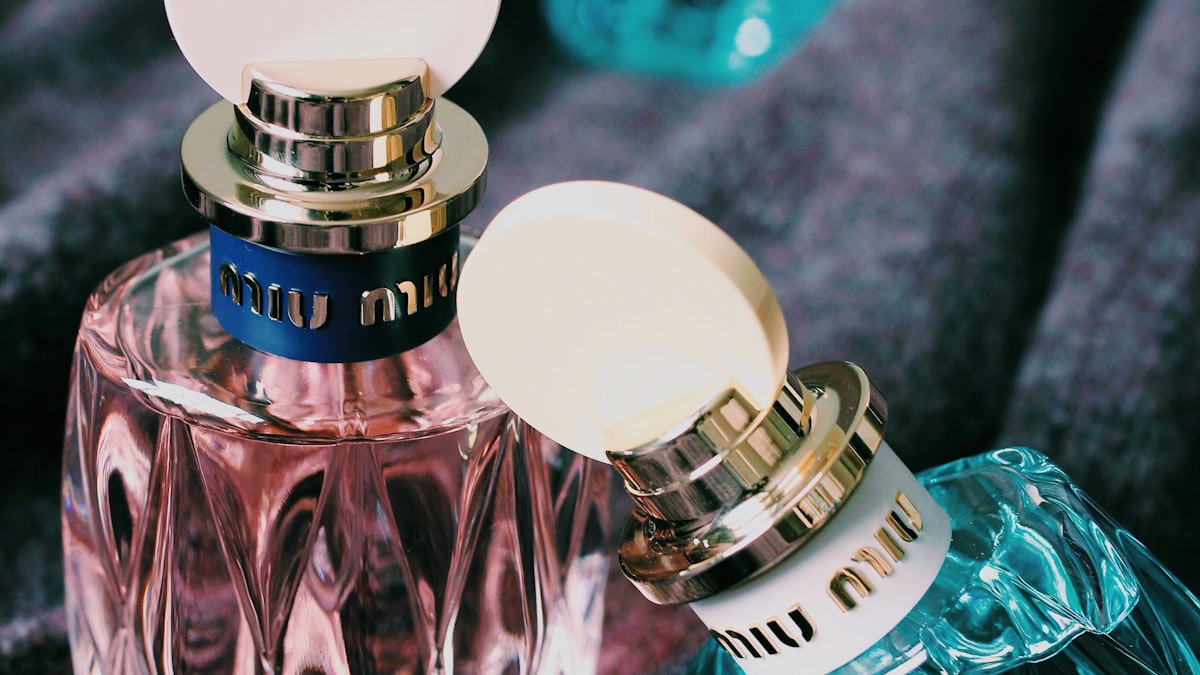
For L'Oréal, already the undisputed global leader in beauty, the transaction is a decisive strategic reinforcement. The group deepens its grip on the highly coveted prestige fragrance and cosmetics segment, a market where brand desirability often matters just as much as the formula inside the bottle, if not considerably more.
What L'Oréal is really getting
In concrete terms, the agreement allows L'Oréal to take control of the sought-after niche fragrance house Creed. Yet the real prize runs deeper, because the group also secures the exclusive rights to develop the fragrances and beauty products of several fashion labels for an extraordinary period of fifty years.
Among those houses are Bottega Veneta and Balenciaga, two of the most important names in Kering's stable. The deal also paves the way, in time, for the Gucci beauty licence to move across, once an existing arrangement with another industry player runs its course over the next couple of years and finally expires.
A half-century of exclusivity speaks volumes about the long-term thinking behind the move. For L'Oréal this is not a quick, opportunistic strike but a durable bet on the ability of these great fashion houses to keep generating highly profitable lines of perfume and cosmetics, year after year, for decades to come.
Why Kering is parting with a jewel
For Kering, the sale is a central pillar of a turnaround strategy driven by its new chief executive, Luca de Meo. The group has been navigating a difficult stretch and urgently needs to repair its balance sheet, with net debt running into billions of euros, compounded by substantial long-term lease commitments on top of that.
By offloading its beauty division, Kering pockets a considerable sum that lets it cut its debt significantly and restore some financial breathing room. It is a pragmatic choice: parting with a promising but investment-hungry activity in order to refocus firmly on what the group knows best, namely fashion and luxury.
That refocusing reflects a clear philosophy. Rather than trying to control everything in-house, Kering would rather entrust its beauty to an undisputed specialist and concentrate on reviving its flagship brands, starting with Gucci, whose turnaround remains one of the group's defining challenges for the years ahead.
Two giants playing to their strengths
At its core, the deal illustrates a simple but powerful logic: each company doubles down on what it does best. L'Oréal strengthens its dominance in beauty, while Kering frees itself to fight on the terrain of fashion, unburdened by a division it may have struggled to grow to its full potential on its own.
The two groups have also signalled that they intend to explore new territory together, notably around wellness and longevity, markets that are expanding rapidly. That dimension shows the arrangement is not merely an exchange of money, but potentially the opening of a broader, longer-lasting partnership between the two.
What remains now is to watch the real-world effects of this marriage of fashion and beauty. If it succeeds, it could become a textbook example of how France's corporate giants reorganise their empires to face a more uncertain luxury market, one still carried, as ever, by the timeless prestige of their greatest houses.